
How Light, Shadow & Colour Influence Property Value
A house is more than its square meters, its location, or its structural condition. Often, just a few seconds determine whether someone falls in love with a room — or mentally walks right back out. The true value of a property lies not only in its materials, but in the atmosphere it creates.
In Italy, where light, aesthetics, and architecture have interacted for centuries, people have long understood brightness can open a space, shadow gives it depth, and colour evokes emotion. These three elements work quietly but powerfully — shaping how properties are perceived, evaluated, and ultimately sold.
This article explores how light, shadow, and colour work together, why buyers react to them subconsciously, and how homeowners can use them intentionally to increase market value.
The First Impression: Emotion Before Information
Before anyone analyses square footage or energy class, they perceive something else entirely: atmosphere. Studies show that about 80% of property decisions are made emotionally. When someone walks into an apartment or house, they instinctively sense:
Does it feel spacious? Open? Calm? Welcoming? The answer rarely comes from facts — it comes from light direction, colour climate, and the interplay of brightness and shadow.
Light: The True Luxury
In southern countries like Italy, light is part of the architectural DNA. Homes are designed not only to admit daylight, but to capture and guide it. Light-coloured floors reflect the sun, large windows open rooms visually, and white walls amplify natural brightness. A house that “lives” in the light appears warmer, healthier, and more valuable — regardless of its furnishings. Even existing properties can be enhanced: with sheer curtains, strategically placed mirrors, warm-white lighting (2700–3000 Kelvin), or daylight lamps. Even real estate listings that include the word “bright” receive up to 15% more attention.
Shadow: Invisible Architecture
What Italians know intuitively: a well-placed shadow tells as much as light. Through arcades, overhanging roofs, pergolas, and shutters, a dynamic play of light and dark emerges — conveying depth and a sense of shelter. These elements are not merely functional; they make a house feel human. A room that creates zones for calm feels more organic. Overly bright, uniformly lit rooms can feel like showrooms. In contrast, the alternation of light and shadow creates a sense of liveability and comfort — essential for long-term emotional attachment to a place.
Colour: Emotions on the Wall
colours speak quietly but unmistakably. They influence whether a room appears large or small, warm or cool — and how comfortable people feel within it.
In Italy, each region has its own chromatic identity deeply tied to local architecture and landscape:
- In Puglia, pure white dominates it reflects light, cools visually, and feels minimalist and bright.
- Along the Amalfi Coast, turquoise and blue tones evoke sea, sky, and openness.
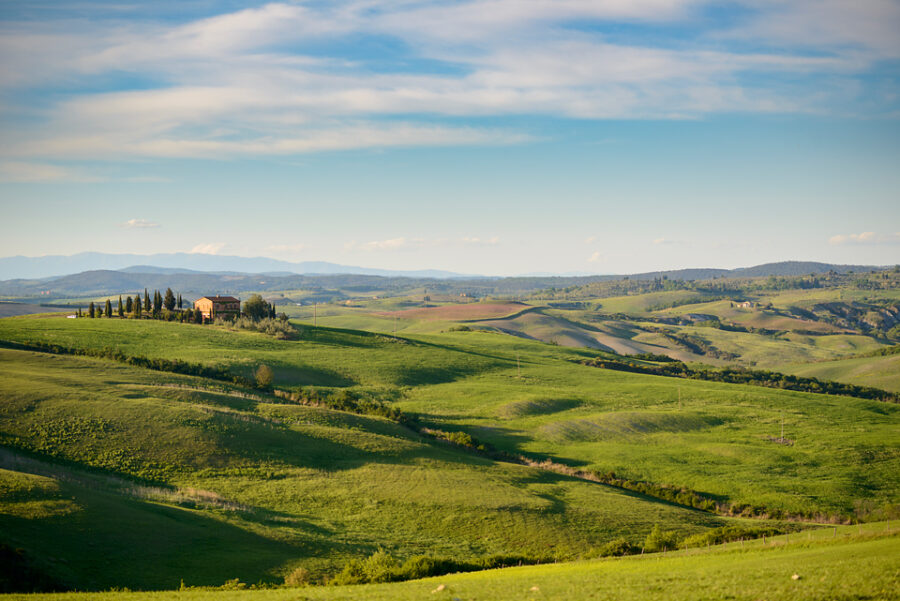
- In Tuscany, warm hues — ochre, sienna, terracotta — recall earth and history.
- In Liguria, pastel facades reign, softened by salt and sea air.
colours trigger associations. White and cream convey purity and openness.
Ochre and terracotta express warmth, calm, grounding. Blue feels open and soothing, green natural and relaxing, grey modern and understated. Studies show that rooms with harmonious, warm colour palettes are perceived as up to 10% more valuable.
Interaction Over Isolation
Light, shadow, and colour are most powerful when they work together. A Tuscan villa with light stone floors (light), dark wooden beams (shadow), and ochre walls (colour) feels timeless and high-quality — without expensive technology. A modern home, on the other hand, can feel sterile if it relies only on smooth surfaces and LED lighting without warmth or depth. What matters is atmosphere: spaces that evoke emotion seem more valuable — because they can be felt, not just seen.
Small Adjustments, Big Impact
For those preparing a property for sale or rental, small changes can yield major results:
- Light wall colours (e.g., white or cream) make rooms appear up to 20% larger.
- Mirrors placed opposite windows double the light source.
- Linen curtains diffuse daylight softly.
- Warm-white artificial lighting (max. 3000 K) replaces the harsh feel of cold light.
- Consistent flooring tones create visual harmony.
Such low-cost measures can raise the sales value by 5–10%, according to market analyses.
Regional Light Strategy: Climate Meets Design
Italy is a long country — and its architecture adapts to its light.
- In the North (Lombardy, Piedmont), light is softer and less frequent. Large windows and bright tones maximize light yield — and enhance the sense of living quality.
- In Tuscany or Umbria, the light is golden and flat — ideal for muted natural colours, wooden beams, and terracotta floors.
- In the South (Puglia, Sicily), light is intense — hence the prevalence of white facades, thick walls, pergolas, and inner courtyards. These are not aesthetic coincidences but intentional light management.
Homes aligned with the logic of local light appear authentic — and authenticity is in high demand on the property market.
Conclusion: Value Begins with Feeling
A house is more than its metrics — it is a space that evokes something. Light, shadow, and colour are the quiet forces that shape this experience. Those who understand them can design atmosphere — and increase a property’s market value in measurable ways. Because the real question is not only: How big is a room?
But: How does it feel? And in Italy, they understood long ago: real luxury is not in square meters — but in sunbeams, wall tones, and the depth of a shadow falling at the right moment in the right place.